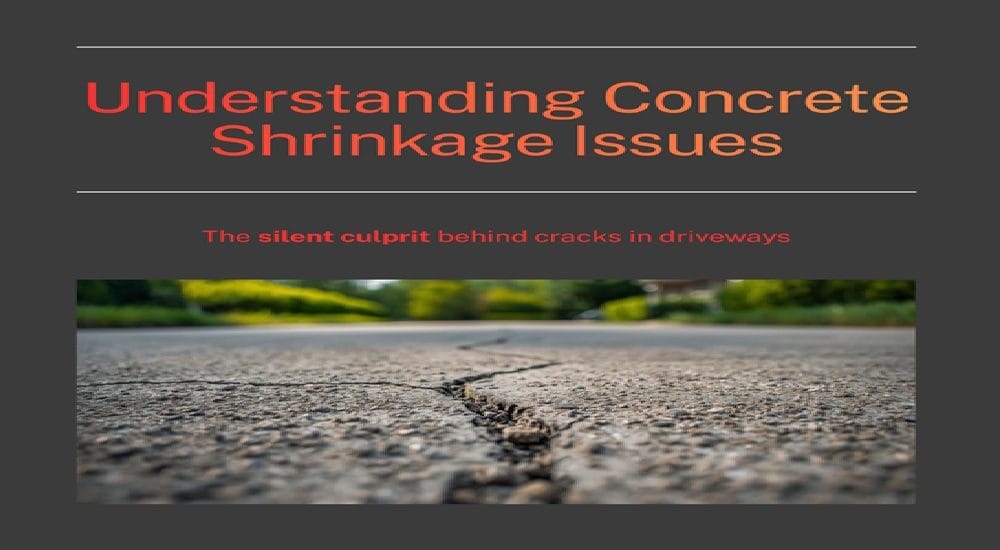
Cracks in concrete rarely appear overnight. Instead, they develop slowly when the weight exceeds the surface’s capacity to support it. Many homeowners only notice the problem once damage is visible. However, by then, repairs often cost more than proper planning.
In simple terms, concrete load-bearing capacity refers to how much weight concrete can safely support without cracking or sinking. Yet, many projects move ahead without checking this limit. As a result, patios dip, driveways fracture, and foundations weaken.
People often assume all concrete performs the same. However, this assumption leads to costly mistakes. Choosing the right concrete strength grades, understanding foundation load limits, and using suitable structural concrete are essential for long-term performance. When these factors are ignored, even new concrete can fail early.
What Does Concrete Load-Bearing Capacity Actually Mean?
Concrete load-bearing capacity describes the maximum weight that concrete can carry while remaining stable. This includes the weight of buildings, vehicles, furniture, and even soil pressure.
Additionally, load limits apply over time, not just on the day of installation. Concrete may appear strong at first. However, excess weight slowly stresses the surface. As a result, cracks form and spread.
Key points to consider:
- Static load: includes permanent structures such as walls or heavy structures
- Dynamic load: includes moving weight, such as vehicles or equipment
- Long-term pressure: Sustained weight matters as much as short-term force
Therefore, matching concrete to the expected load is essential planning at the start of any project.
Why Load Limits Matter In Domestic And Small Builds
Many domestic projects face hidden load risks. For example, driveways often support heavier vehicles than planned. Extensions also add pressure to existing foundations.
In addition, garden rooms and sheds concentrate weight in small areas. When foundation load limits are guessed, the ground beneath may shift. As a result, surfaces settle unevenly.
Common domestic project risks include:
- Driveways are cracking under vehicle weight
- Patios are sinking after heavy rainfall
- Extensions stressing older foundations
- Paths breaking under repeated foot traffic
Therefore, understanding load limits protects both the structure and your investment.
Understanding Concrete Strength Grades Used In The UK
Concrete strength grades show how much pressure concrete can handle. Each grade serves a specific purpose. However, stronger grades are not always necessary.
For example, light-use paths need less strength than driveways. Meanwhile, foundations require stronger structural concrete to support the full building load.
Overview of concrete strength grades:
- Lower grades suit light domestic use
- Mid-range grades suit driveways and slabs
- Higher grades support structural work
As a result, correct grade selection avoids waste and failure.
How Foundation Load Limits Affect The Entire Structure
Foundations transfer weight from the building into the ground. Therefore, their load limits affect every part of the structure above.
When concrete is too weak, pressure spreads unevenly. Over time, this causes movement, resulting in cracks appearing in walls and floors.
Key points to remember:
- Load travels downward through the foundations
- Weak concrete increases settlement risk
- Correct grades support stable structures.
Thus, foundation planning supports safe concrete construction.
Common Mistakes Made When Choosing Concrete Strength Grades
Many load-related problems start with simple assumptions. Homeowners often copy concrete choices from nearby projects. However, every site carries different loads.
In addition, future use is often ignored. A driveway may later support heavier vehicles. A shed base may become a garden room. When this happens, original concrete strength grades may no longer suit the load.
Typical mistakes include:
- Selecting concrete without checking load needs
- Assuming higher grades are always better
- Ignoring ground conditions
- Planning only for current use, not future changes
As a result, surfaces fail earlier than expected. Correct planning avoids this risk.
How Correct Grade Selection Supports Safe Concrete Construction
Safe concrete construction is not about overbuilding. Instead, it focuses on matching the concrete to the purpose.
When the right grade is used, the weight spreads evenly. Stress reduces across the surface. Cracks appear less often. Long-term performance improves.
In addition, suitable grades protect foundations. Correct foundation load limits reduce settlement risk. This also protects walls, floors, and finishes above.
Benefits of correct grade selection include:
- Improved durability over time
- Reduced cracking and movement
- Better performance under repeated load
- Lower maintenance and repair costs
Therefore, correct selection supports safety, strength, and value.
Choosing Structural Concrete For Different Domestic Uses
Structural concrete plays different roles across domestic projects. Each application needs a specific load capacity.
For example:
- Driveways need a higher concrete load-bearing capacity
- Foundations need stable structural concrete.
- Paths and patios need balanced strength, not excess.s
- Garden buildings need grades suited to concentrated loads.
Meanwhile, over-engineering increases cost without benefit. Under-engineering leads to failure. The right balance matters most.
Thus, matching concrete to function ensures reliable results.
Why Local Supply Accuracy Matters For Load Control
Concrete quality depends on consistency. Therefore, local supply accuracy matters when loads are critical.
A dependable local supplier ensures correct batching and timely delivery. This reduces variation across pours. It also helps avoid on-site guesswork.
Mighty Concrete supplies affordable and reliable concrete with same-day and next-day delivery across Twickenham, Watford, Wembley, Windsor, Wokingham, and surrounding areas. This reliable supply supports accurate grade use for domestic projects.
In addition, local availability helps keep pours consistent. This improves load performance across slabs, bases, and foundations.
How Mighty Concrete Helps Avoid Load-Related Issues
Selecting the right grade can feel confusing. However, guidance makes decisions clearer.
Mighty Concrete supports homeowners and builders by matching projects to suitable concrete strength grades. This support focuses on real usage, not assumptions.
Support includes:
- Guidance on grade selection for domestic loads
- Reliable batching for consistent strength
- Timely delivery to support correct pours
As a result, projects benefit from stable performance and reduced risk.
Use The Right Concrete Grade – Not Assumptions
Concrete rarely fails without warning. Small cracks often signal deeper load issues. When limits are ignored, damage spreads.
Understanding concrete load-bearing capacity, respecting foundation load limits, and choosing the correct structural concrete protects long-term performance. This approach also supports safe concrete construction without waste.
Instead of guessing, use informed choices. Correct grades reduce risk and extend lifespan.
For expert guidance and reliable supply, contact Mighty Concrete on 01753 900066 or reach the team via WhatsApp for quick support and booking.
FAQs
- What happens if concrete load limits are exceeded?
Excess load causes cracking, sinking, and long-term structural damage. - How Do I Choose The Right Concrete Strength Grade?
Base the choice on expected load, ground conditions, and future use. - Are Foundation Load Limits Different For Each Project?
Yes. Load limits vary depending on structure size and soil type. - Can A Concrete Supplier Help With Grade Selection?
Yes. A reliable supplier can guide suitable grades for domestic projects.