If you’re building something at home, like a new driveway, garden path, or a strong floor, picking the right concrete is very important. Concrete is more than just a gray, heavy mix. It needs to be strong, smooth, or tough depending on the job. So, let’s make this simple and figure out how to choose the right concrete step by step.
What Are You Building?
First of all, think about what you’re making. This is important because different projects need different types of concrete. For example:
- Building Foundations: If you’re making the base of a house or an extension, you need very strong concrete. This is because it must hold a lot of weight and last for many years.
- Driveways and Paths: On the other hand, these need concrete that is tough and can survive the UK weather. Additionally, it should hold both cars and people walking on it without any cracks.
- Floors: For indoor floors, such as garage floors, you need concrete that is smooth and even. This ensures it won’t crack easily over time and will last longer.
- Decorative Projects: If you want your garden path, patio, or driveway to look extra special, you can use decorative finishes like stamped or coloured concrete. These not only look amazing but are also very durable.
So, as you begin your project, ask yourself: What exactly am I building? Once you answer this question, it becomes much easier to pick the perfect type of concrete.
How Strong Does It Need to Be?
Next, you need to think about how strong the concrete needs to be. Concrete strength is measured by its “grade,” which tells you how much weight it can hold.
- Light projects: For smaller jobs like garden paths or simple slabs, you can use lower-strength concrete such as C10-C15. This is perfect for light-use areas.
- Medium projects: For projects like driveways, house floors, or garden walls, you need stronger concrete like C20-C25. This type of mix is ideal for holding cars, furniture, or other weight.
- Heavy projects: For bigger and more important jobs like house foundations, industrial floors, or heavy-duty driveways, you should use very strong concrete such as C30-C35. This ensures the concrete can handle heavy loads without any problems.
However, if you are still unsure about which strength to choose, it’s always a good idea to ask a grown-up, a contractor, or even the company selling the concrete. They can guide you to make the right decision. After all, using weak concrete for the wrong job could lead to cracks or unsafe surfaces.
How Much Concrete Do You Need?
Now that you know what type of concrete you need, it’s time to figure out how much to order. You don’t want to order too much or too little. To do this, use this simple formula:
Volume = Length x Width x Depth
For example:
If you’re making a driveway that is 5 meters long, 4 meters wide, and 0.15 meters deep:
5 x 4 x 0.15 = 3 cubic meters of concrete.
While this formula is simple, it’s also a good idea to order a little extra (about 5-10% more). This is because you might spill some, or the surface might not be perfectly even.
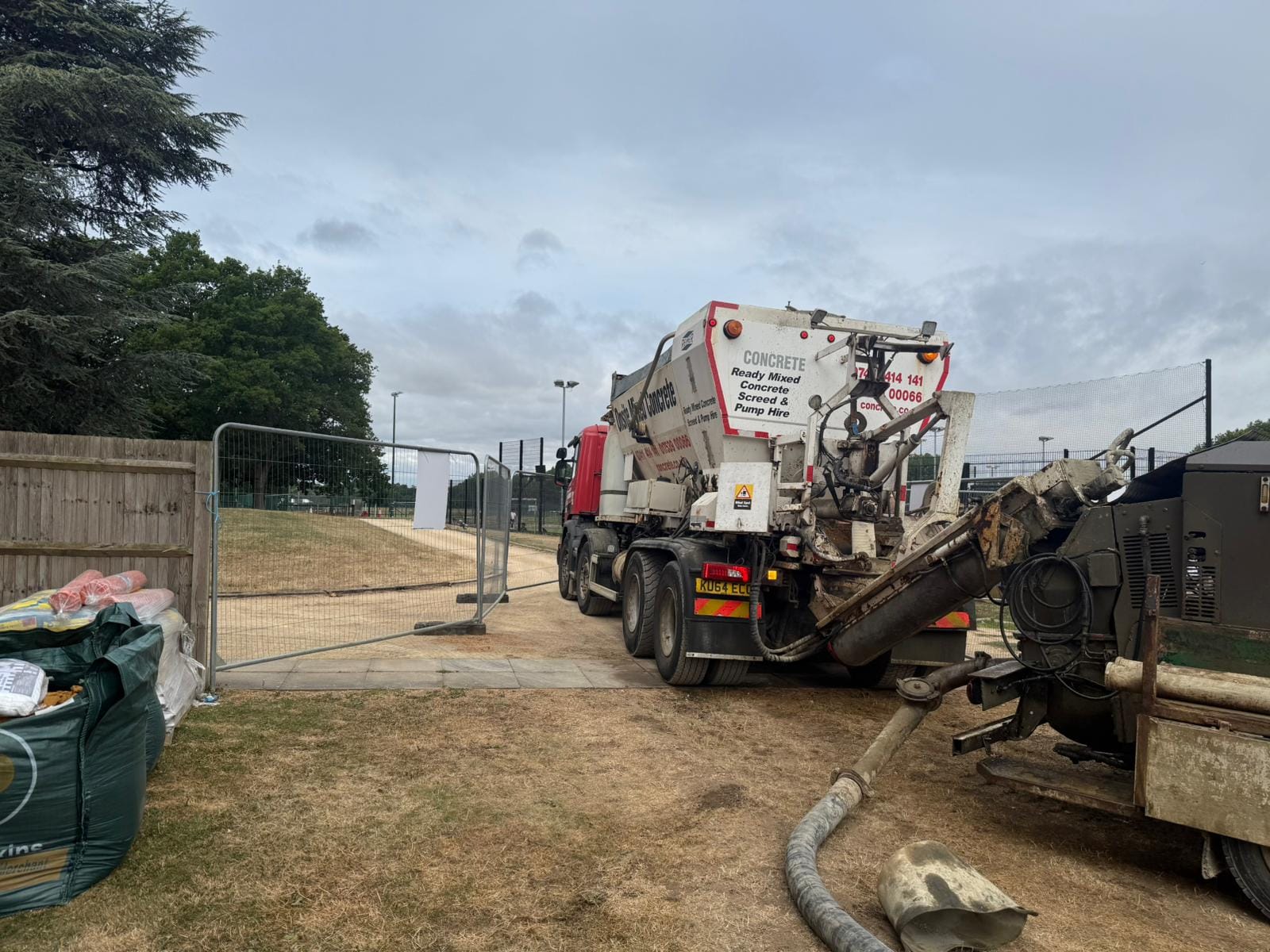
For smaller projects, you can use pre-mixed bags of concrete. These are easy to carry and mix on-site. For bigger projects, however, like driveways or house foundations, trucks can deliver ready-mix concrete directly to your home. This option saves a lot of time and effort.
Watch Out for the Weather
Next, you need to think about the weather. Since the UK weather can be tricky, it’s important to plan your project carefully. Concrete doesn’t like extreme weather when you’re pouring it.
- Cold weather (below 5°C): When it’s too cold, concrete takes much longer to set. Even worse, frost can damage it before it hardens. To solve this, you can use frost-resistant covers or special additives to protect the mix.
- Hot weather (above 25°C): On the other hand, when it’s very hot, concrete can dry too quickly. This can cause cracks on the surface. To avoid this, keep the concrete damp and pour it early in the morning or later in the evening.
- Rain: Rainwater can mix with your concrete and weaken it. Therefore, you should always cover your project with waterproof sheets if it looks like it might rain.
To put it simply, try to plan your project on a day with good weather. However, if the weather isn’t ideal, using protective tools and materials will help you avoid problems.
Can a Truck Reach Your Project?
Now, let’s think about where you’re building. Some places are very easy to access, while others are more difficult. This will decide how the concrete is delivered:
- Easy access: If the truck can drive right up to your project site, the concrete can be poured directly. This is the easiest and fastest option.
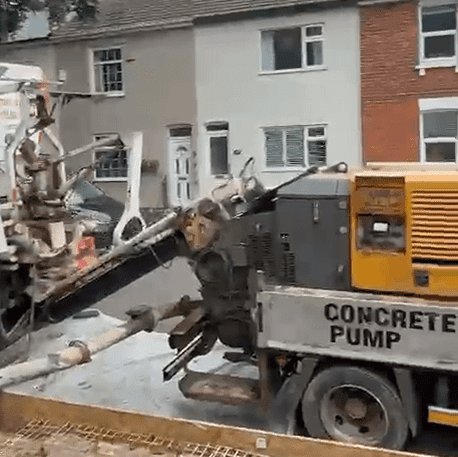
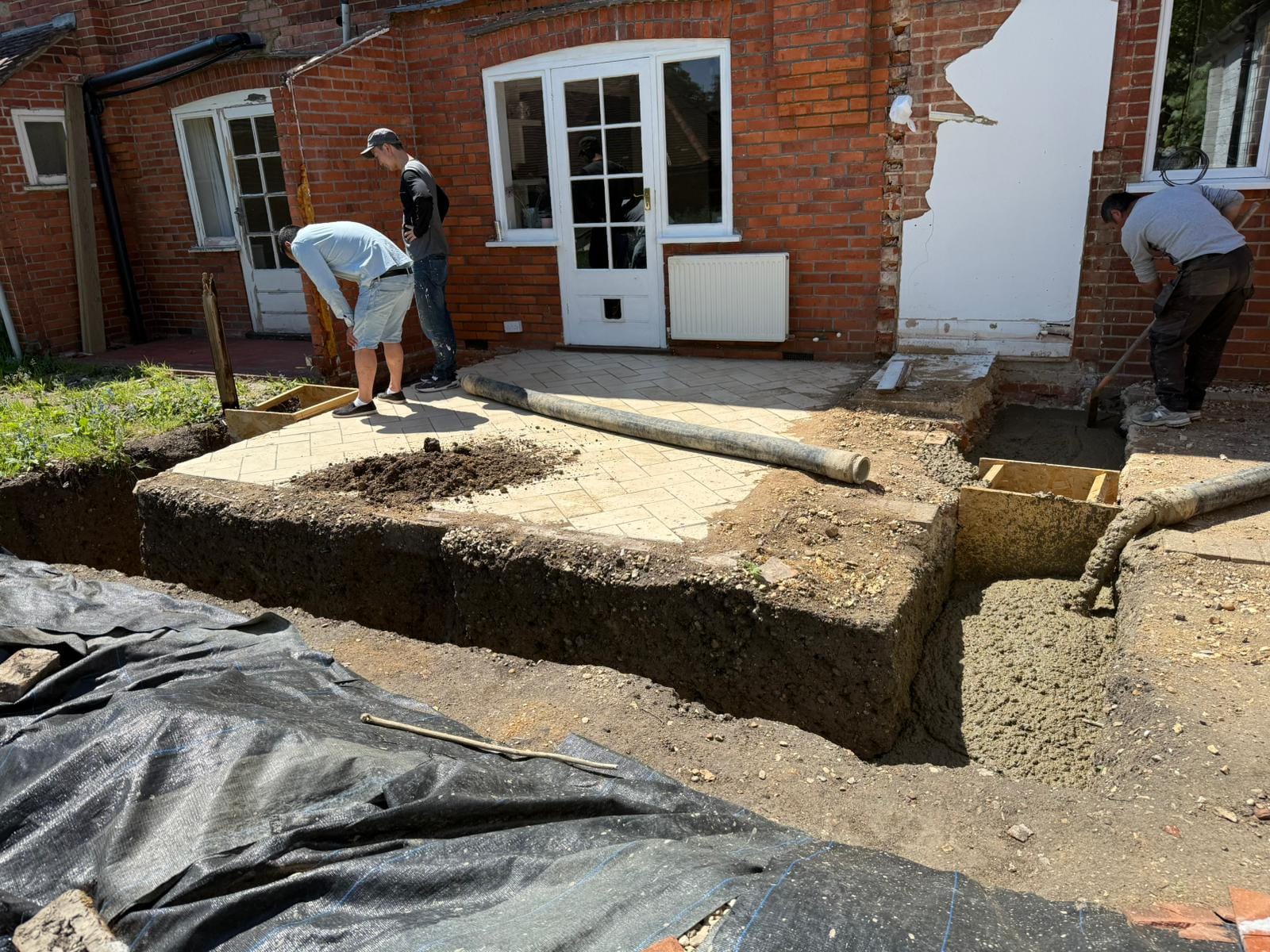
- Hard-to-reach spots: However, if you’re working in a backyard, basement, or tight space, a truck might not be able to get close enough. In that case, you will need a concrete pump to deliver the mix where it’s needed.
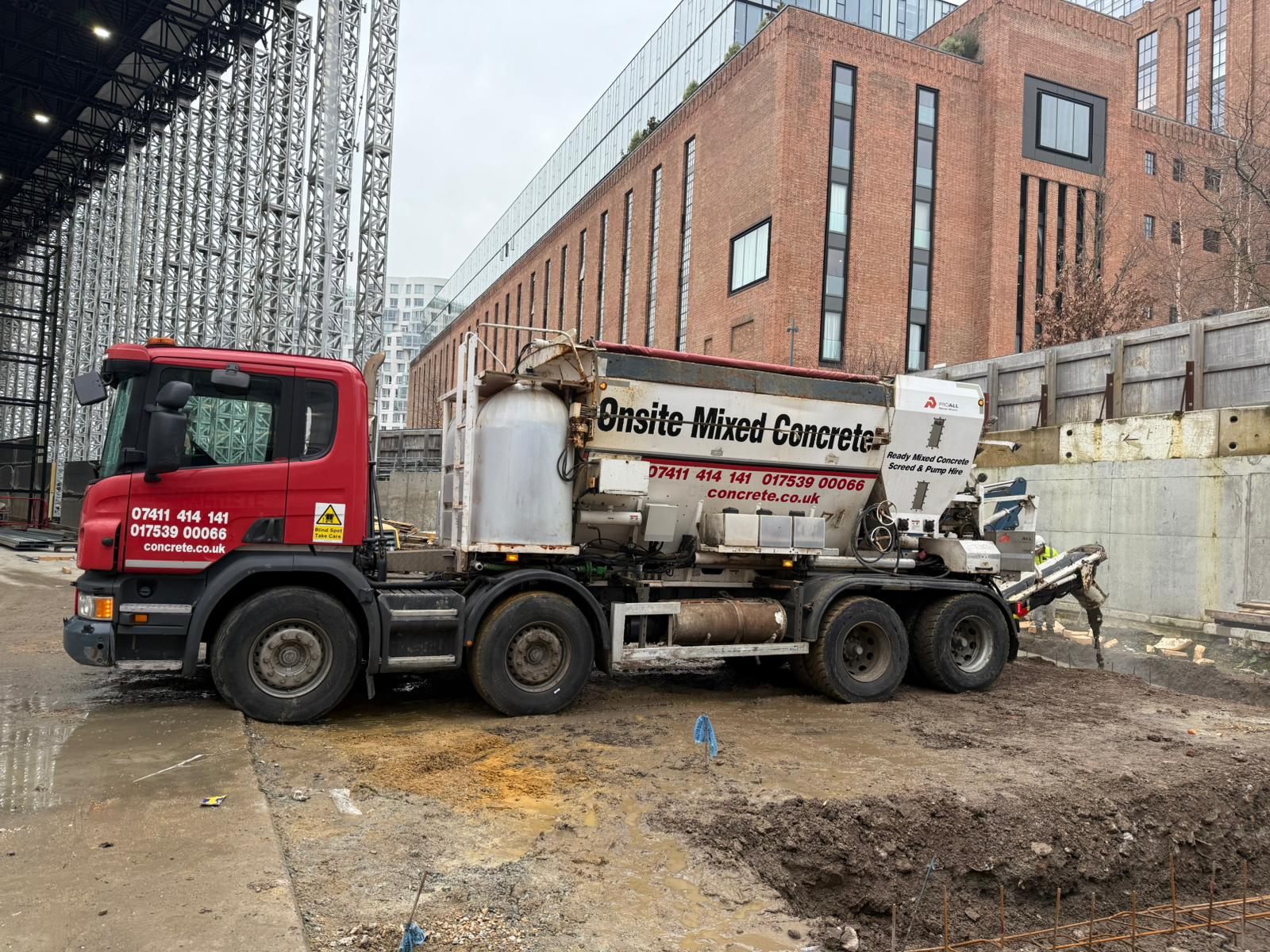
For very large projects, trucks that mix concrete on-site (called volumetric concrete trucks) are an excellent option. These trucks let you mix the exact amount of concrete you need, saving time and reducing waste.
What Should the Concrete Look Like?
Next, think about how you want the concrete to look. The final appearance will depend on what you’re using it for. For instance:
- Smooth finish: For indoor floors or garage floors, you want a smooth and shiny finish. This makes the surface easy to clean and look polished.
- Non-slip finish: For outdoor surfaces, such as driveways or patios, you need a rough, textured finish. This helps prevent cars or people from slipping, especially when it’s wet.
- Decorative concrete: If you want something special, you can use stamped or colored concrete. These finishes look beautiful and work perfectly for patios, garden paths, or even driveways.
If you’re not sure what finish is best for your project, talk to your supplier. They can suggest the right mix and finish to meet your needs.
How Much Will It Cost?
When it comes to concrete, the cost can vary. While it’s tempting to save money, cheaper concrete might not last as long. Here’s how to manage your budget wisely:
- Measure carefully: Make sure you know exactly how much concrete you need.
- Pick the right mix: Spending a little more on stronger concrete now can save you money on repairs later.
- Compare options: Sometimes, mixing concrete on-site is cheaper than having ready-mix concrete delivered.
In the end, spending a little more on high-quality concrete is worth it because it will last longer and save money over time.
Ask an Expert
Finally, if you’re still unsure about anything, don’t worry! You can always ask a concrete supplier or a builder for help. They will help you:
- Choose the right type of concrete for your project.
- Figure out how much concrete you need.
- Plan for weather or delivery problems.
By asking the experts, you can make sure your project goes smoothly and lasts a long time.
Final Words for Selecting the Right Concrete
To sum up, picking the right concrete doesn’t have to be hard. Just follow these steps:
- Know what you’re building.
- Choose the right strength.
- Measure how much you need.
- Plan for UK weather.
- Check if a truck can deliver to your site.
- Decide on a finish that looks great.
- Spend wisely for long-lasting results.
If you’re unsure about anything, don’t hesitate to ask a supplier for help. With the right concrete, your driveway, floor, or garden path will be strong, smooth, and ready to last for years. So, plan ahead, take your time, and enjoy the process.