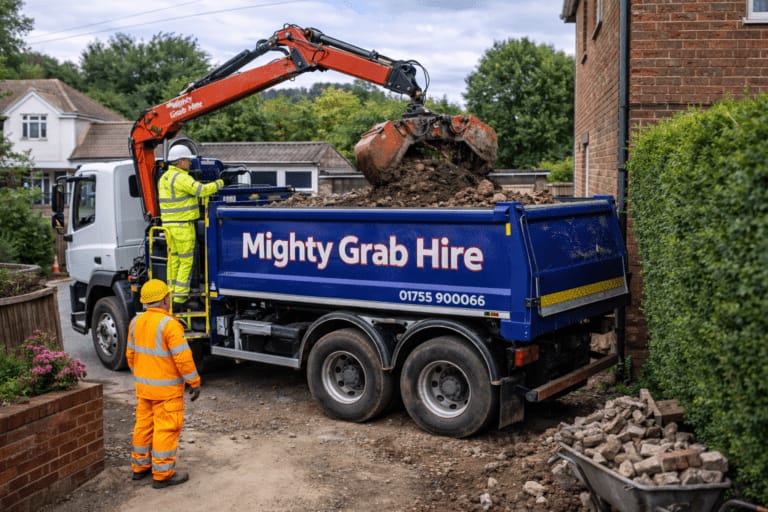
Concrete problems often start before the truck arrives. In many UK projects, delays and weak concrete finishes happen when the site is not ready. Therefore, concrete site preparation in the UK plays a key role in getting strong, long-lasting results. While many people focus on the concrete itself, the real issue often lies in what happens before pouring begins. As a result, being ready before the concrete delivery matters more than most homeowners realise.
In addition, poor preparation causes wasted time and added cost. Forms fail. Ground shifts. Deliveries wait. Therefore, following a clear construction site checklist for concrete helps avoid these issues. With proper concrete pouring preparation, projects move faster and finish better. This guide explains what must be ready before concrete arrives, using simple steps that apply across UK domestic sites.
What “Ready Before Concrete Delivery” Means On A UK Site
Many homeowners assume a site is ready once the area is cleared. However, readiness means more than space. A site that is ready before concrete delivery includes:
- Stable and level ground
- Secure formwork in place
- Clear access for trucks or pumps
- Tools and workers are ready on arrival
Therefore, preparation allows concrete to be poured without delay. In contrast, missing even one step can impact the pour. As a result, concrete quality suffers, and time is lost, so preparation is key for project success.
Ground And Base Preparation Checks Before Concrete Arrives
Ground preparation is one of the most important steps in concrete installation best practices. If the base is weak, the concrete will not perform as expected. Therefore, checking the ground early prevents future cracks and movement.
Key ground checks include:
- Level surface with correct depth
- Proper compaction of soil or sub-base
- Removal of loose material and standing water
- Adequate drainage where required
In addition, uneven ground leads to uneven curing. As a result, slabs may crack or sink over time. Therefore, solid base preparation supports long-term strength and durability.
Why Formworks Must Be Fully Set Before Concrete Delivery
A formwork is a mould which shapes the concrete and holds it in place while it sets. However, weak or rushed formwork often fails during pouring. Therefore, forms must be completed before the truck arrives.
Proper formwork preparation includes:
- Strong and well-fixed boards
- Correct alignment and levels
- Sealed joints to prevent leaks
- Bracing to handle concrete pressure
In addition, poor formwork leads to blowouts and uneven edges. As a result, repairs become necessary. Therefore, setting forms early is a core part of any construction site checklist for concrete.
Access Planning: Can Concrete Delivery Reach The Site
Access is often overlooked. However, it affects every delivery. Concrete trucks and pumps need clear, safe access to the site. Therefore, access must be checked in advance.
Important access checks include:
- Clear driveway or road access
- Enough space for turning or positioning
- Stable ground for heavy vehicles
- Clear path from the delivery point to the pour area
As a result, good access planning prevents delays on the day. Meanwhile, poor access often leads to postponed pours.
Mighty Concrete is a local supplier serving key areas, including St Albans, Twickenham, Watford, Wembley, Windsor, and Wokingham, as well as nearby locations. This regional presence supports smoother coordination for concrete projects. As the guide continues, this aligns closely with why site readiness matters.
Manpower And Tools That Must Be Ready On Pour Day
Even with perfect ground and formwork, a pour can still fail if people and tools are not ready. Therefore, manpower planning is a critical part of the concrete pouring preparation.
Before delivery, make sure:
- Enough workers are present for placing and finishing
- Each person knows their role
- Tools are laid out and ready to use
Essential tools include:
- Rakes and shovels for spreading
- Screeds or straight edges for levelling
- Floats and trowels for finishing
- Protective sheets in case of weather changes
As a result, work starts immediately on arrival. Meanwhile, searching for tools during a pour often leads to rushed finishes and uneven surfaces.
Timing And Coordination To Avoid Delivery Delays
Timing matters on the concrete pour day. Therefore, the site must be fully ready before the delivery slot begins. Concrete cannot wait without affecting quality.
To be ready before concrete delivery, check:
- Forms are complete before arrival time
- Access is clear when the truck arrives
- Workers are present before delivery
- Weather checks are reviewed early
In addition, late readiness causes waiting time. As a result, pours may be shortened or rescheduled. Therefore, clear coordination protects both quality and schedule.
Common Site Preparation Mistakes That Cause Concrete Problems
Many concrete issues come from simple mistakes. However, these are often overlooked.
Common errors include:
- Pouring on soft or uneven ground
- Incomplete or weak formwork
- Poor access planning
- Missing tools or labour
- Rushing the setup after arrival
As a result, concrete placement becomes hurried. Meanwhile, the supplier can only wait for a limited time. Therefore, preparation remains the responsibility of the site, not the delivery.
Why A Construction Site Checklist For Concrete Prevents Failures
A checklist keeps preparation simple and consistent. Therefore, many professionals rely on one for every pour.
A good construction site checklist for concrete ensures the following:
- Ground and base are prepared
- Formwork is secure
- Access is clear
- Labour and tools are ready
- Timing is confirmed
As a result, mistakes are reduced. In addition, concrete projects are executed from delivery to finish with ease. This approach supports proven concrete installation best practices across domestic projects.
Supporting Domestic Projects Across Local Areas
For homeowners, local coordination matters. Mighty Concrete supplies affordable and reliable concrete with same-day and next-day delivery across Twickenham, Watford, Wembley, Windsor, Wokingham, and the local region.
This regional coverage supports efficient planning, especially when timing is tight. As a result, prepared sites receive concrete when expected. Meanwhile, well-planned deliveries help projects stay on track.
How Proper Site Preparation Works Best With Reliable Supply
When a site is prepared correctly, concrete performs as intended. Therefore, good preparation allows the supplier to deliver without interruption. Mighty Concrete works with prepared sites to ensure clean pours, steady placement, and consistent results.
In addition, proper readiness reduces waste and rework. As a result, homeowners see better finishes and stronger outcomes.
Prepare Your Site Properly And Get Better Concrete Results
Concrete performs best when the site is fully prepared. Poor results usually follow a rushed setup, not poor materials. Therefore, following clear, concrete site preparation in the UK steps protects quality and avoids delays.
By checking ground conditions, securing formwork, planning access, and preparing labour, homeowners stay ready before concrete delivery. In addition, using a clear checklist supports reliable, concrete pouring preparation from start to finish.
Prepare your site properly – get the best results from your concrete.
For dependable supply and delivery support, contact Mighty Concrete on 01753 900066 or reach the team via WhatsApp for quick assistance.
FAQs
- What must be ready before concrete delivery in the UK?
The ground, formwork, access, labour, and tools must all be ready before arrival. - Why does poor site preparation cause concrete problems?
Poor preparation leads to delays, rushed pours, and weak finishes. - Can concrete delivery be delayed if the site is not ready?
Yes. If the site is not prepared, pours may be shortened or postponed. - How can homeowners improve concrete installation results?
Following a clear checklist and proven, concrete installation best practices improves outcomes significantly.