Rain is a constant factor in construction work across England, especially when working with concrete for foundations in the UK. From residential builds to commercial sites, wet ground and poor weather directly affect how poured concrete UK performs. As a result, foundation problems appear more often than many builders expect. In areas such as Ascot, Bracknell, Guildford, High Wycombe, and Harrow, wet ground creates added pressure on new builds. Builders regularly face challenges linked to soil saturation and concrete curing in the rain. Making correct planning essential. This makes correct planning essential when using concrete for foundations in the UK.
Moreover, rainfall changes how soil behaves. Saturated ground shifts more easily and loses strength over time. When foundations are poured without allowing for these conditions, cracks and settlement can follow.
Therefore, mistakes made during wet weather often lead to long-term structural issues. Understanding how rain affects foundation work helps builders and homeowners avoid costly repairs later. Let’s learn how!
How UK Weather Conditions Affect Foundation Stability
UK weather often brings steady rain rather than short storms. As a result, soil stays wet for long periods. When this happens, the ground loses strength. In turn, foundations struggle to stay stable. This instability directly impacts how poured concrete UK foundations settle and cure, especially during prolonged rainfall.
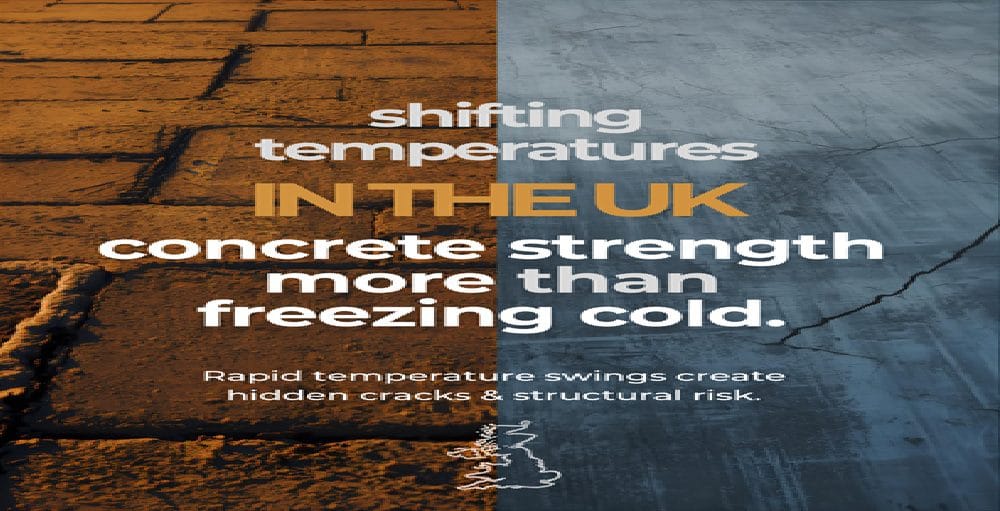
Furthermore, clay-heavy soil expands when wet and shrinks when dry. This movement places pressure on foundations. Over time, cracks appear. In many cases, these issues link directly to UK weather construction problems that were ignored during the early stages.
Key weather-related risks include:
- Waterlogged soil that cannot support weight
- Slow drainage around foundation trenches
- Ground movement after heavy rainfall
- Delays that affect concrete curing in the rain
Therefore, builders must plan carefully when working with concrete for foundations UK, especially during wetter months.
Mistake 1: Pouring Concrete On A Wet Or Unstable Sub-Base
One of the most common errors happens before concrete is poured. When the sub-base is wet, it cannot compact properly. As a result, poured concrete rests on weak ground.
Moreover, trapped moisture rises into the concrete. This weakens the structure over time. Even strong, poured concrete in the UK mixes can fail if the base below is unstable. This is why preparing the ground correctly is critical when using concrete for foundations in the UK, particularly in rain-affected areas.
Warning signs often appear early:
- Small cracks are forming within months
- Uneven settlement across the slab
- Water is pooling near the edges.
Therefore, checking ground conditions before pouring is essential for avoiding foundation failure in wet weather.
Mistake 2: Over-Watering The Concrete Mix During Rain
During rainy weather, some builders add extra water to improve workability. However, this creates serious problems. Extra water reduces strength. It also leads to surface dusting and cracking.
In addition, rainwater can mix with fresh concrete during pouring. This changes the ratio of cement and aggregates. Over time, the slab becomes weaker than planned.
To reduce risk, builders should use controlled mixes and plan pours carefully. Rain-resistant concrete is specifically designed for wet UK conditions, helping poured foundations maintain strength even when rainfall cannot be avoided. Therefore, it helps maintain strength even during poor weather.
Mistake 3: Ignoring Drainage Around Foundations
Water does not need to flood a site to cause damage. Even slow build-up around foundations creates pressure. Over time, this pressure forces moisture into concrete.
Moreover, standing water delays concrete curing in the rain, which weakens the final structure. Poor drainage is one of the most common reasons concrete curing in rain fails on UK construction sites. Poor drainage remains a leading cause of foundation failure in wet weather across the UK.
Simple steps help reduce this risk:
- Sloping ground away from foundations
- Temporary drainage channels during construction
- Avoiding pours during continuous rainfall
Mistake 4: Poor Concrete Curing In Rain(A Common UK Issue)
Concrete curing in rain requires careful protection, timing, and mix control to avoid long-term strength loss. Concrete needs time to gain strength. However, rain often interrupts this process. When curing is rushed or exposed, the surface weakens. Over time, cracks appear.
Moreover, concrete curing in the rain needs planning. Fresh concrete must be protected from heavy rainfall. Otherwise, water washes away the cement paste from the surface.
Common curing mistakes include:
- Leaving fresh pours uncovered during rain
- Walking on concrete too early
- Removing protective sheets too soon
As a result, foundation failure in wet weather becomes more likely. Proper curing helps poured concrete reach full strength, even in poor conditions.
Mistake 5: Using The Wrong Concrete For Rain-Prone Builds
Not all concrete performs well in wet conditions. Standard mixes struggle when ground moisture stays high. Over time, this leads to cracking and movement.
Therefore, choosing rain-resistant concrete matters. For concrete for foundations in the UK, these mixes are especially important in regions with prolonged wet seasons. These mixes hold their shape better. They also reduce water absorption during the early stages.
In addition, concrete for foundations UK should match ground conditions. Stronger mixes offer better durability. As a result, they help foundations stay stable during long wet periods.
Mistake 6: Rushing Foundation Work Between Rainfall
Tight schedules often cause mistakes. When the rain stops briefly, some builders rush to pour. However, ground conditions may still be poor.
Moreover, wet trenches collapse easily. This weakens edges and base support. Over time, settlement follows.
Instead, waiting for suitable conditions helps reduce risk. Delays may seem costly at first. However, they often prevent long-term damage linked to UK weather construction problems.
Mistake 7: Unreliable Or Inconsistent Concrete Supply
Foundation work depends on timing. When deliveries arrive late or are inconsistent, trenches stay open longer. Rain then worsens ground conditions.
Reliable supply keeps work moving. Consistent batching also ensures expected strength. This matters when working with poured concrete UK foundations.
Mighty Concrete is a local concrete supplier. It helps this need by offering same-day and next-day delivery. The company supplies affordable and reliable concrete across Ascot, Basingstoke, Bracknell, Chertsey, Cobham, and nearby areas. This helps builders manage pours safely, even during wet weather.
How Mighty Concrete Helps Reduce Weather-Related Foundation Failures
The weather cannot be controlled. However, preparation can be improved. Using the right mix, timing pours correctly, and securing a reliable supply all reduce risk.
Mighty Concrete works as a local supplier with experience in wet-weather builds. By providing consistent concrete for foundations UK, projects remain controlled. This reduces the chance of curing issues, weak bases, and long-term damage.
In addition, Mighty Concrete supports builders with dependable delivery windows, which helps prevent trenches from sitting open during rain. Mixes are prepared to suit site conditions, reducing water-related strength loss. As a result, foundations gain better stability, even when weather conditions change unexpectedly.
Build Strong Foundations Even In Wet UK Conditions
Rain creates challenges for every build across the UK. However, most foundation failures happen due to avoidable mistakes. Wet sub-bases, over-watered mixes, poor curing, and rushed work all weaken foundations over time. Choosing the right concrete for foundations UK helps prevent these issues. Well-batched poured concrete UK performs better during rain. In addition, rain-resistant concrete supports strength when weather conditions change. Planning concrete curing in rain also protects long-term stability. When UK weather construction problems are considered early, foundation failure in wet weather becomes far less likely.
Avoid costly foundation issues. Choose reliable concrete that performs in wet conditions. Contact Mighty Concrete today on 01753 900066 or reach the team via WhatsApp for fast support and booking.
FAQs
- Can Concrete Be Poured During Rain In The UK?
Yes, but planning is required. Ground conditions, mix choice, and curing protection must be managed carefully. - What Is The Best Concrete For Foundations In Wet Weather?
Rain-resistant concrete with controlled water content works best for wet UK conditions. - How Does Rain Affect Concrete Curing?
Heavy rain can weaken the surface if protection is missing. Proper covering supports safe curing. - How Can Foundation Failure In Wet Weather Be Avoided?
Good drainage, stable sub-bases, correct mixes, and reliable supply reduce risk.